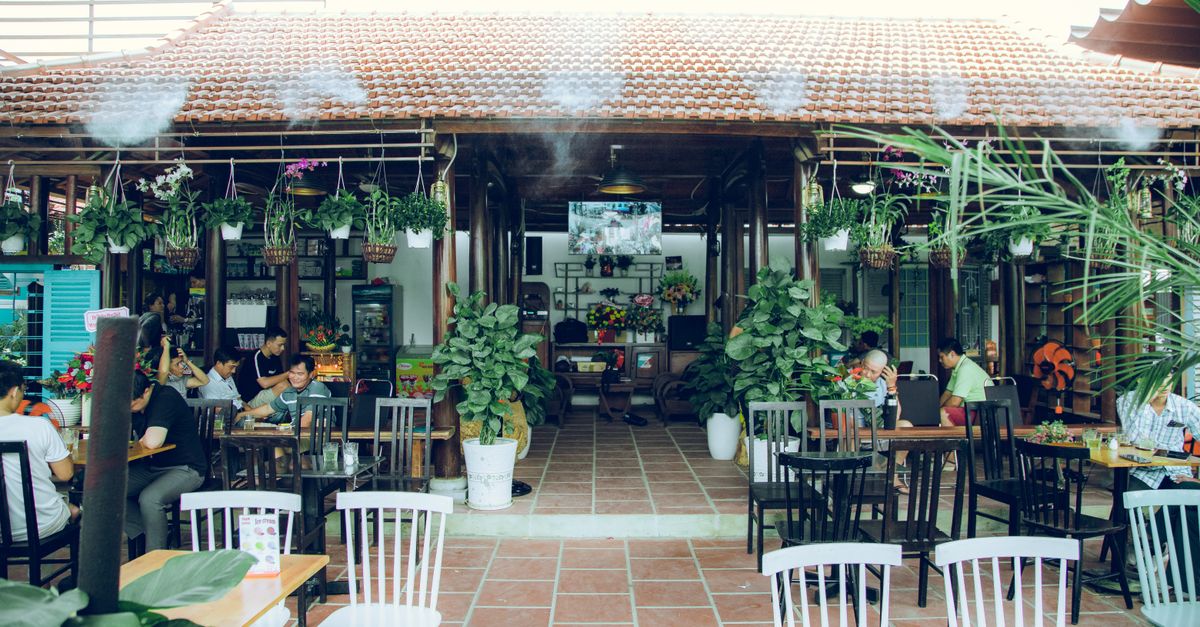
Picture this: it's 9 p.m. on a Tuesday, and I'm sitting on the patio of a tiny coffee shop in Nairobi, nursing a cold brew I didn't need and arguing with a stranger about whether Burna Boy or Wizkid had the better decade. I didn't come here to buy anything. I came here because my apartment was starting to feel like a coffin with Wi-Fi. That patio? That's my third place. And apparently, Gen Z is on a mission to bring them back.
If you've never heard the term, a third place is that spot that isn't home (first place) and isn't work or school (second place). It's the barbershop, the library, the park bench, the record store, the community pool hall. Sociologist Ray Oldenburg coined the concept back in the '80s, arguing these spaces are the glue of civic life. Then we paved them over, replaced them with delivery apps, and wondered why everyone felt lonely.
The Loneliness Economy Is Real—and Gen Z Got the Memo
Here's what most people miss: young people aren't just nostalgic for third places. They're desperate for them. Study after study keeps dropping the same bombshell—roughly a third of Gen Z reports feeling lonely "often" or "always." That's not a vibe. That's a public health crisis wearing AirPods.
And let's be honest, the usual suspects get blamed: phones, social media, remote everything. Fair. But I've found that the deeper issue is that we built a world where hanging out costs money. Every "social" space now demands you buy something—a drink, a ticket, a subscription. There's no default place to just exist anymore.
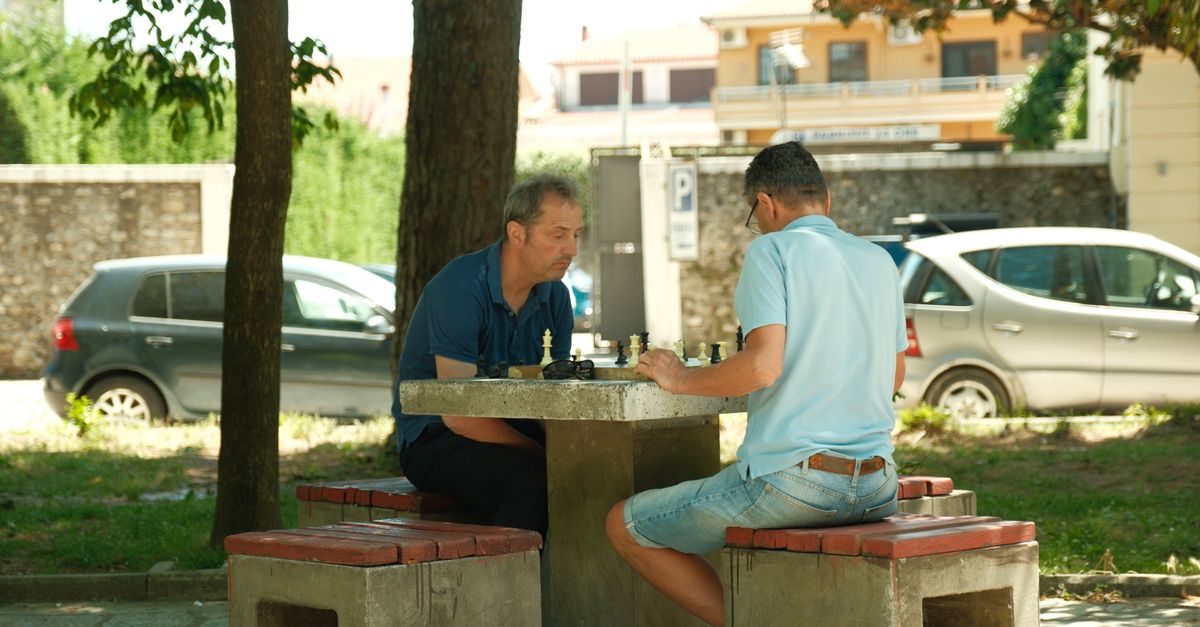
So what's Gen Z doing about it? Building their own. I've watched run clubs explode in cities where nobody ran five years ago. Book clubs are back. Chess clubs. Crotchet circles, for crying out loud. People are paying actual money to sit in rooms with strangers and do things with their hands. Why? Because third places give you something a group chat never will: friction. Real, messy, unpredictable human friction.
Why Coffee Shops Beat Your Algorithm Every Time
I'll say it plainly: Gen Z is bringing back third places because algorithms can't hug you. A feed gives you the illusion of connection—likes, streaks, group chats with 47 unread messages you'll never answer. A third place gives you the awkward silence of sitting next to someone until one of you cracks a joke.
That's the magic. That's the whole point.
The best conversations I've had this year didn't start online. They started because I was in the same room as someone doing the same weird thing I was doing. There's a term for it—"ambient belonging." You don't need to talk to everyone; you just need to know they're there. It's the reason people study in libraries, work in cafés, and go to the gym even when they hate the gym. Presence is the product.
The Hidden Rules of a Great Third Place
Not every spot qualifies. A third place isn't just "anywhere that isn't your house." Here's what I look for when I'm scouting one:
- Low cost of entry. Free is ideal. Cheap coffee is fine. A cover charge every time? That's a business, not a third place.
- No appointment needed. You can show up alone, unannounced, and not feel weird. That's the test.
- Regulars exist. If nobody knows your order or your face, it's not there yet.
- Conversation is the default. Music's low, tables aren't arranged like an exam hall, and nobody's glaring at you for laughing.
- It's within walking distance—or close to it. A third place you need a 40-minute commute to reach is a fourth place. Or just a hobby.
How to Find Yours (Without Paying a Fortune)
Okay, so how do you actually find your third place? I get this question constantly, and my answer surprises people: stop looking for a place and start looking for a rhythm.
Most people hunt for a venue. But third places form around repeated presence. The barista at Café A only learned my name because I showed up every Thursday for a month. The run club only felt like home after my third Saturday. You don't join a third place—you wear a groove into it.
A few practical moves:
- Pick one spot and go at the same time every week. Same day, same hour. Regularity builds familiarity.
- Say yes to the awkward invite. The random "we're grabbing tea after this" is where third places are born.
- Check your local library, community center, or park. They're criminally underrated and often free.
- Start something. A walking group. A film club. A Sunday board game meetup. You don't need permission—you need a table and a group chat.
- Put your phone away for the first ten minutes. I know. Radical.
Here's what most people miss about third places: they don't require you to be interesting. They require you to be present. That's a much lower bar, and honestly, a much better one.
The Third Place Is the New Status Symbol
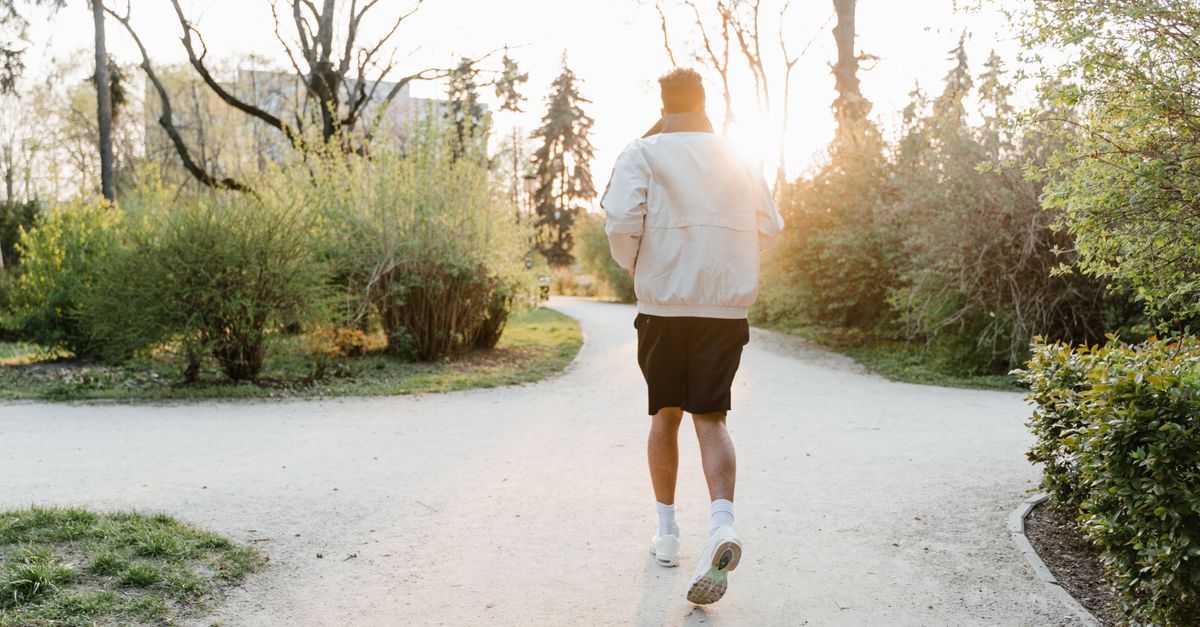
There's a shift happening that nobody's naming yet. For years, the flex was your apartment, your car, your curated feed. Now? The flex is having a place where you're a regular. A barber who knows your name. A bartender who's got your drink ready. A park bench where someone actually notices when you're gone.
That's a kind of wealth that doesn't show up on a credit report. And I think Gen Z is chasing it precisely because they grew up with everything digital and nothing local. They're not just bringing back third places—they're reclaiming the idea that a life is made of more than home and hustle.
So here's my challenge to you: this week, find one place that isn't your home and isn't your office. Go there. Sit down. Stay longer than feels comfortable. Go back next week. And the week after.
Because the loneliest generation in history isn't going to be saved by another app. It's going to be saved by a patio, a cup of tea, and a stranger who argues with you about Burna Boy.
Your third place is out there. The only question is whether you'll show up twice.
